Faeza Bakr
Assistant Lecturer
Faculty of Engineering/ Interior Design Department
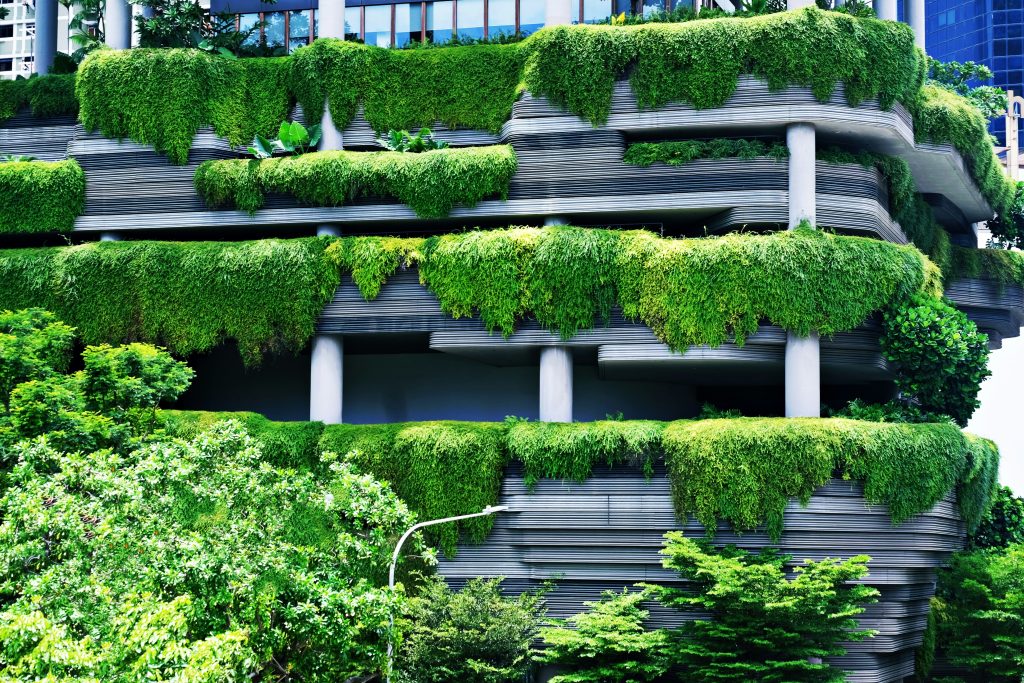
As cities worldwide seek sustainable solutions to combat climate change and urban heat, green roofs have gained significant attention. A green roof with vegetation and soil provides numerous environmental, economic, and aesthetic benefits. But can this strategy be successfully implemented in Erbil, a city characterized by its hot summers and growing urbanization?
The Need for Green Roofs in Erbil
Erbil, like many cities in Iraq, faces challenges such as rising temperatures, poor air quality, and limited green spaces. The rapid urban expansion has led to increased energy consumption and reduced natural landscapes. Green roofs offer a potential solution to these issues by improving insulation, reducing the urban heat island effect, and enhancing air quality. By covering rooftops with vegetation, buildings can retain heat in winter and remain cool in summer, leading to lower energy consumption and reduced costs for heating and cooling. Additionally, the plants on green roofs help filter pollutants and dust from the air, improving the overall quality of life in urban areas. The absorption of rainwater by green roofs also reduces the risk of flooding and eases pressure on drainage systems, which is particularly beneficial in cities with inadequate infrastructure. Furthermore, integrating greenery into urban landscapes adds aesthetic value and provides habitats for birds and insects, contributing to biodiversity and ecological balance.
Challenges and Feasibility in Erbil
Despite these advantages, implementing green roofs in Erbil comes with challenges. Water availability is a significant concern, as maintaining a green roof requires irrigation, which may be difficult given the region’s water scarcity. Additionally, not all buildings are structurally designed to support the extra weight of a green roof, requiring reinforcement or modifications that could be costly. The initial installation and maintenance of green roofs demand significant investment, which may deter property owners unless financial incentives or governmental support are provided. Without proper planning and incentives, the widespread adoption of green roofs in Erbil could remain an ambitious idea rather than a practical solution.
Moving Toward a Greener Future
For green roofs to become a viable strategy in Erbil, policymakers, architects, and urban planners must collaborate to develop solutions that align with the city’s climate and resources. One potential approach is using drought-resistant plants that require minimal watering, making green roofs more sustainable in an arid environment. Integrating rainwater harvesting systems could further support irrigation needs, reducing dependence on municipal water supplies. Additionally, government initiatives such as tax breaks, subsidies, or regulatory incentives for sustainable building designs could encourage property owners to invest in green roofs. With the proper support and planning, green roofs could transition from a distant dream to a practical reality, reshaping Erbil into a greener and more sustainable city. The question remains: is Erbil ready to embrace this transformation? The future of the city’s sustainability depends on how it addresses these challenges and opportunities.