

Amani Tahsin
Assistant Lecturer
Department of Nutrition and Dietetics
TIU – Erbil
Amani Tahsin
Assistant Lecturer
Department of Nutrition and Dietetics
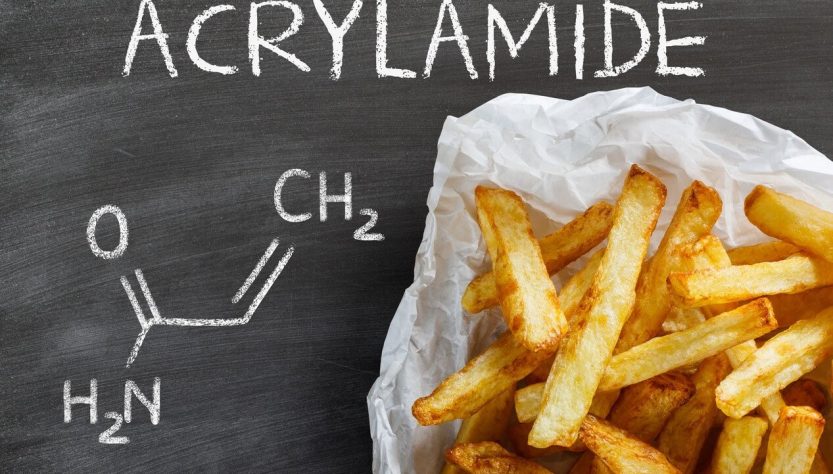
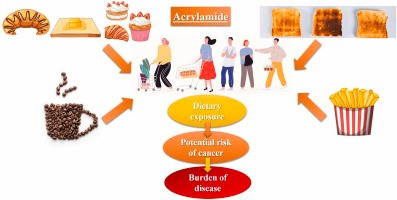
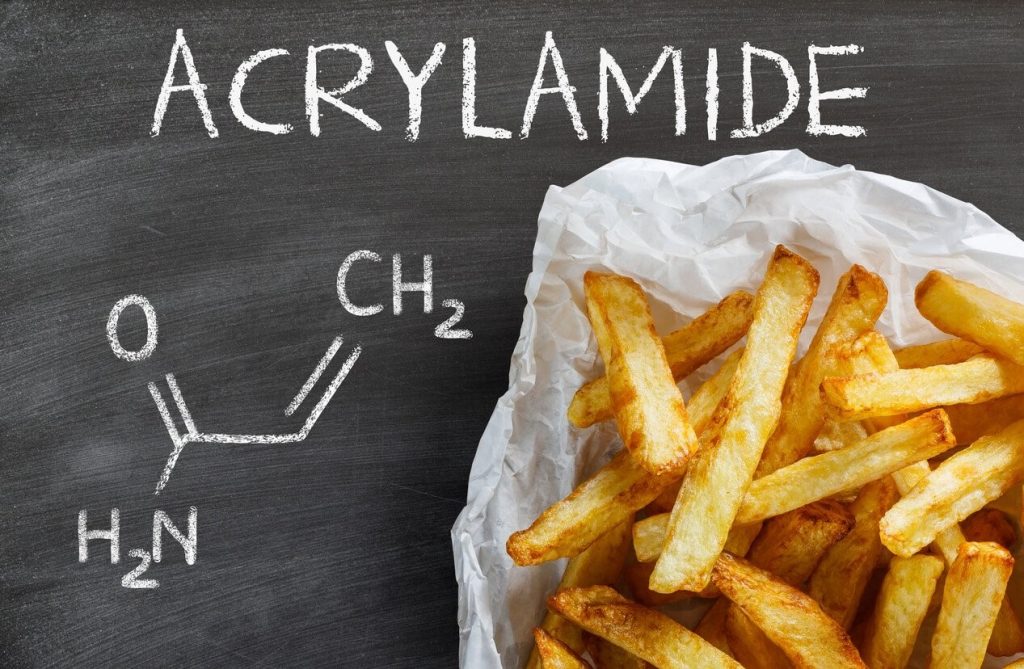
Acrylamide is an industrial compound used in a wide range of activities like paper and pulp production; construction; oil drilling; textile, cosmetic, food, and plastic manufacturing; mining; and agriculture. The compound serves crucial functionalities in paper making, as well as dye and plastic production. Acrylamide is blended into caulking materials, food packing, adhesives, and even cigarette smoke, among other products, though in extremely small quantities. Chemicals with higher percentages of this compound are fried potatoes, grain-based foods, and coffee. The principal scientific bodies have evaluated acrylamide’s possible cancer-causing qualities. The International Agency for Research on Cancer (IARC) reported that acrylamide is a suspected human carcinogen. However, the U.S. National Toxicology Program (NTP) classifies it as a substance ‘reasonably anticipated to be human carcinogenic, while further stating that there is insufficient evidence to declare it a carcinogen. The United States Environmental Protection Agency (EPA) regulations claim that acrylamide is demonstrably carcinogenic to humans.
The risks are based on assumptions rather than units of measurement that establish solid relationships between diet and the risks for the population. After acrylamide was discovered in food sources, the ACS, together with the FDA, WHO, and EFS, joined forces in advocating for new research to be conducted. With regards to primary tumors, a clear-cut linkage of human dietary acrylamide intake levels has not been fully established with cancer incidence data except gastric cancer, however, studies investigating these factors remain ongoing.
Americans consume and are willingly exposed to far too many foreign or unnatural substances, which translate to poisons and chemicals. Recently, however, a household word has evolved in our modern-day society: “acrylamide”. Fully comprehending the term may seem daunting, but it refers to a chemical found in many food items we consume on an everyday basis. The Food and Drug Administration monitors acrylamide remnants on items of food contact materials, but they fail to regulate limits for the chemical content in food. In 2016, the FDA encouraged food manufacturers to reduce their acrylamide concentration in certain products. OSHA, in conjunction with the EPA, monitors exposure to acrylamide in the workplace, along with controlling the maximum concentration of acrylamide permitted in drinking water for health safety. Besides having protective policies, there are several safety steps available to decrease exposure, which those who want to cut down on acrylamide consumption can take. Among all other sources of acrylamide, tobacco consumption is a primary one; hence, protective measures to mitigate smoke consumption will curb this dangerous aspect. The time and temperature of the food being cooked and the methods of preparation determine the amount of acrylamide that gets fused into it. The FDA also is of the stance that people should minimize their consumption of fried potatoes, coffee, and grain-based foods that have high levels of acrylamide.
Foods cooked by frying and roasting techniques see a greater development of acrylamide, whereas boiling and steaming techniques do not. To reduce the amount of acrylamide in raw potato slices, they should be soaked in water for 15 to 30 minutes before being fried or roasted. However, to prevent oil splashes and open-flame hazards, the potatoes must be completely dry before cooking. As we check fried or toasted foods for a lighter golden tint rather than waiting for dark brown hues, the exposure to acrylamide decreases. The best way to reduce the production of acrylamide during cooking is to store raw potatoes at room temperature rather than in the refrigerator. To improve public health recommendations and future regulatory actions, more research will shed light on the health risks associated with acrylamide.
References
- Tareke, E. et al. (2000) Acrylamide: A cooking carcinogen? Chem ResToxicol 13, 517-522
- Sarion, C., Codină, G. G., & Dabija, A. (2021). Acrylamide in bakery products: A review on health risks, legal regulations and strategies to reduce its formation. International Journal of Environmental Research and Public Health, 18(8), 4332.
- Friedman, M. (2003). Chemistry, biochemistry, and safety of acrylamide. A review. Journal of agricultural and food chemistry, 51(16), 4504-4526.