
Halez Ali Saleh
BAF Graduated Student
TIU – Erbil
Halez Ali Saleh
BAF Graduated student
Embracing Authenticity: Breaking Free from the Masks We Wear
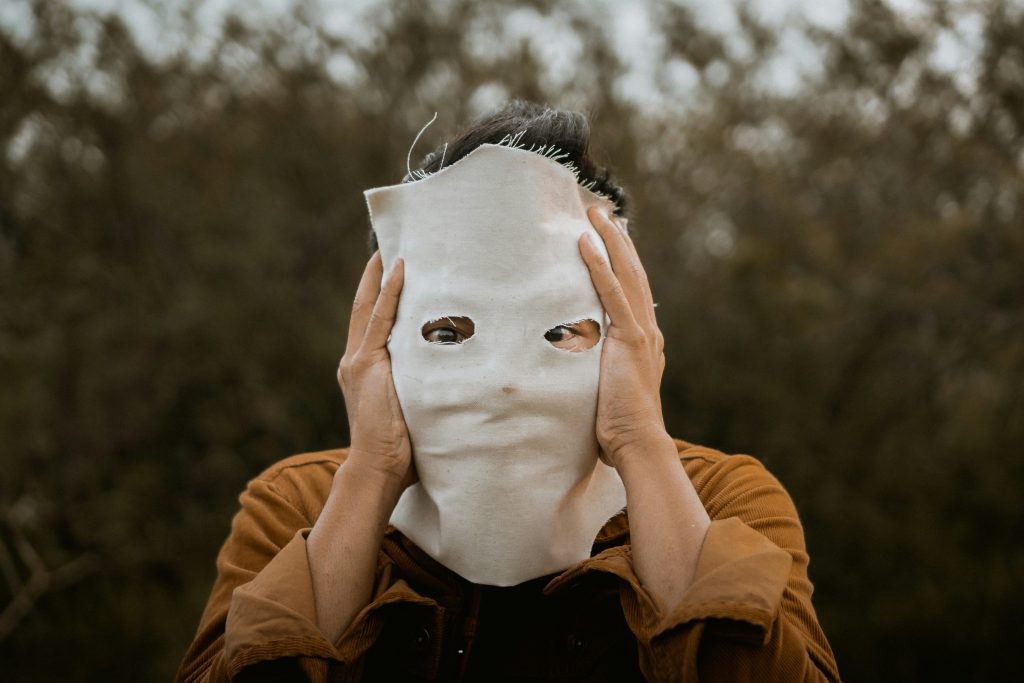
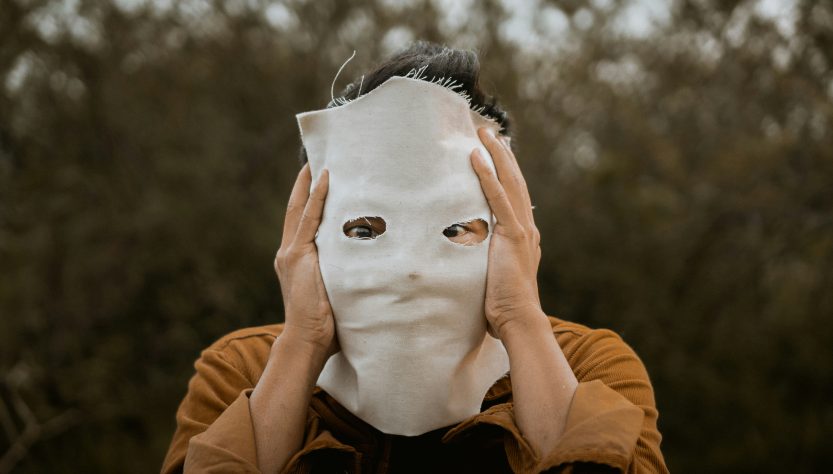
In the hustle and bustle of everyday life, we often find ourselves trying to meet the expectations of others, sometimes at the expense of our true selves. The need to fit in, be accepted, and succeed can be overwhelming, and many of us respond by adopting a mask—an image that reflects what we believe others want to see rather than who we truly are. This mask can take many forms: it could be a polished persona we put on for our professional lives, a confident façade to shield our insecurities, or a careful presentation of ourselves to meet societal ideals.
However, behind the masks, there exists a much deeper and more complex individual. Beneath the surface, we each carry a mix of hopes, fears, desires, and vulnerabilities that make us who we truly are. Often, we may even lose sight of our authentic selves, trapped by the persona we have created. The gap between how we present ourselves to the world and who we truly are can cause internal conflict, leading us to feel disconnected from both others and ourselves.
But the question arises: why should we feel the need to hide our true selves in the first place? What has led us to create environments where authenticity is stifled? The pressure to conform to societal standards, meet expectations, or live up to idealized images has created a culture that places immense value on appearance over reality. These expectations, whether implicit or explicit, often push us into roles that don’t reflect our true identity, forcing us to suppress our fears, dreams, and even our quirks.
This societal pressure results in environments where judgment is harsh and acceptance is conditional. The masks we wear to navigate these environments often alienate us from others, preventing genuine connection. We become caught in a cycle of pretending to be something we’re not, which only perpetuates feelings of isolation, insecurity, and loneliness. The more we hide behind these masks, the more we lose touch with our own identity, and the more we contribute to a culture of superficiality where true vulnerability is rare.
What would it look like if we stopped pretending? Imagine a world where people were no longer forced to wear masks to fit in, a world where everyone could express themselves freely without the fear of judgment or rejection. This vision might seem distant, but it is a possibility we can create if we start with small changes. It’s time to build spaces where people feel safe to be their authentic selves—where uniqueness is celebrated rather than stifled, where imperfections are embraced rather than hidden.
Creating such spaces requires effort on multiple levels. It starts with dismantling the rigid standards and harsh judgments that many of us encounter daily. We must challenge the notion that there is a “right” way to be or look and embrace the beauty in diversity. Rather than striving for perfection, we should focus on the richness that comes from each person’s individual story and experiences. By acknowledging the depth and complexity of others, we open the door for genuine connections to flourish.
Of course, creating a world where people feel free to be themselves begins with us. It begins with being honest with ourselves—recognizing the parts of ourselves we often hide and making peace with them. If we can embrace our imperfections and allow ourselves to be vulnerable, we set an example for others to do the same. True authenticity starts with self-acceptance, and when we accept ourselves as we are, it becomes easier to accept others in their entirety as well.
Empathy also plays a critical role in fostering an authentic environment. By making an effort to understand the reasons behind why people may feel the need to hide their true selves, we cultivate an atmosphere of compassion and support. Everyone has a story, and by listening and offering understanding, we provide others with the safety they need to reveal the person they’ve been hiding. Instead of rushing to judgment, we should strive to create a space where people feel heard, understood, and valued for who they truly are.
Additionally, we must acknowledge that no one is perfect. Society often projects an unrealistic image of success, beauty, and happiness that is difficult, if not impossible, to attain. In truth, perfection is a myth, and it’s the flaws and imperfections that make us truly unique. When we shift our focus from perfection to individuality, we create an environment that encourages authenticity. After all, it’s the differences in each person that add richness and depth to the human experience.
We also need to actively challenge and dismantle the systems that perpetuate superficial standards. Whether it’s through the media, in the workplace, or our personal relationships, we should question the expectations placed on us and those around us. It’s time to redefine what success, beauty, and fulfillment look like—not as one-size-fits-all ideals, but as diverse, fluid concepts that honor the uniqueness of each individual.
In conclusion, the journey toward authenticity is not an easy one, but it is an essential one. We must strive to create a world where people no longer feel pressured to hide behind masks. By accepting ourselves and others as we truly are, we can foster deeper connections, eliminate judgment, and embrace the true beauty of diversity. True freedom lies in the ability to be ourselves without fear, and when we start living authentically, we open the door for others to do the same. Together, we can create a more inclusive, compassionate world where everyone is free to be their true selves.’