

Lehat Abdulla
College of Pharmacy – 3rd Grade
TIU – Erbil
What if a pharmacy degree could take you far beyond the pharmacy counter? Would you still picture a pharmacist standing behind shelves of medicines, or is there much more waiting beyond?
Every medicine has a story before it reaches a patient’s hands. Behind each treatment are years of research, drug development, quality assurance, regulatory review, clinical trials, and the dedication of countless healthcare professionals—many of whom are pharmacists. While the public often associates pharmacists with dispensing medicines, their contributions extend far beyond the pharmacy counter. From discovering and developing new therapies to improving patient care and ensuring medication safety, pharmacists play essential roles throughout the healthcare system. This article explores some of the diverse and rewarding career paths that demonstrate how a pharmacy degree can open doors to opportunities far beyond traditional practice.
Why Is Pharmacy Evolving?
Pharmacy has expanded beyond dispensing medicines because of advances in science, technology, and healthcare. Modern pharmacists are medicine experts, researchers, educators, innovators, and healthcare leaders who improve patient outcomes and contribute to the future of healthcare.
Career Opportunities Beyond the Counter
Today’s pharmacy graduates can work in patient care, research, education, industry, business, and innovation, making pharmacy one of the most diverse healthcare professions.
Traditional Pharmacy Careers
Community pharmacists provide medication counselling and manage minor illnesses. Hospital pharmacists ensure medicines are prepared, supplied, and used safely. Clinical pharmacists work directly with healthcare teams to optimise treatment, monitor therapy, and improve patient outcomes.
Beyond the Counter: New Career Branches in Pharmacy
Pharmaceutical Industry
Develops, manufactures, and improves medicines while ensuring quality, safety, and innovation.
Medical Representative
Provides healthcare professionals with accurate scientific information about medicines and builds professional relationships.
Product Manager
Plans product strategy, analyses market needs, and coordinates with sales, marketing, and regulatory teams throughout a medicine’s life cycle.
Regulatory Affairs
Ensures medicines comply with national and international regulations before and after reaching the market.
Quality Control (QC)
Tests raw materials and finished medicines to confirm identity, purity, strength, and quality
Academia, Research, and Teaching: Teaches future pharmacists, supervises research, publishes scientific work, and advances pharmaceutical science through higher education.
The pharmacy profession offers a wide range of career opportunities beyond traditional practice. While each path uniquely contributes to healthcare, the following careers highlight how pharmacists can drive innovation, advance scientific knowledge, and shape the future of patient care.
- Academia, Research, and Teaching
Academia, Research, and Teaching
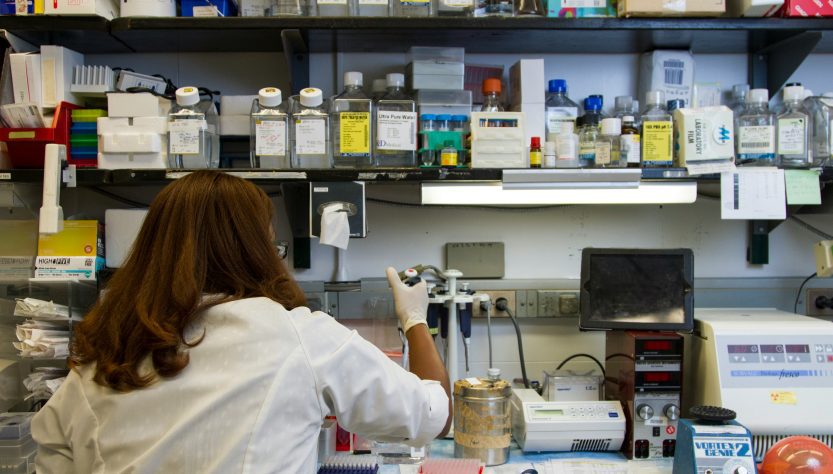
For pharmacists who enjoy learning and sharing knowledge, academia offers a meaningful and rewarding career. Academic pharmacists educate future healthcare professionals while conducting research that advances pharmaceutical science and improves patient care. Their work ranges from discovering new drug molecules and developing innovative dosage forms to evaluating the safety and effectiveness of medicines. Beyond the classroom, they supervise student research, publish scientific articles, present findings at conferences, and collaborate with researchers around the world. By combining education, research, and mentorship, academic pharmacists help shape both the next generation of pharmacists and the future of healthcare.
- Product Manager
Product Manager
A product manager plays a vital role in guiding a medicine from its introduction to its success in the healthcare market. Working closely with medical, marketing, sales, and regulatory teams, they develop strategies that ensure healthcare professionals receive accurate scientific information while meeting patients’ needs. They analyse market trends, identify opportunities for innovation, and coordinate product launches and educational campaigns. Strong communication, leadership, and problem-solving skills are essential in this role, making it an excellent career for pharmacists who enjoy both science and business.
- Pharmaceutical Industry
Pharmaceutical Industry
The pharmaceutical industry offers pharmacists the opportunity to contribute to the entire journey of a medicine—from research and development to manufacturing and quality assurance. Pharmacists work alongside scientists, engineers, and healthcare professionals to design safe, effective, and high-quality medicines that improve patients’ lives. They are involved in drug formulation, production, quality control, regulatory compliance, and continuous innovation. As new diseases emerge and medical technology advances, pharmacists in the pharmaceutical industry play an increasingly important role in bringing life-changing therapies to people around the world
Essential Skills
- Communication
• Leadership
• Critical thinking
• Teamwork
• Research skills
• Digital literacy
• Adaptability
• Continuous learning
Conclusion
Pharmacy has come a long way from being a profession focused mainly on dispensing medicines. While community, hospital, and clinical pharmacy remain at the heart of patient care, today’s pharmacists are also researchers, educators, innovators, industry leaders, and contributors to the development of safer and more effective healthcare. As science and technology continue to advance, the profession will continue to grow, creating new opportunities for future generations of pharmacists.
For pharmacy students, this changing landscape is both a challenge and an opportunity. Success will depend not only on scientific knowledge but also on communication, leadership, critical thinking, adaptability, and a commitment to lifelong learning. By embracing these qualities, pharmacists can improve patient care, contribute to medical innovation, and help shape the future of global healthcare.
Whether working directly with patients, discovering new medicines, teaching future professionals, or leading the pharmaceutical industry, every pharmacist has the potential to make a meaningful difference. The future of pharmacy is not limited by the counter—it is defined by knowledge, innovation, compassion, and the willingness to keep learning.
References
- American Society of Health-System Pharmacists (ASHP). ASHP Guidelines and Practice Resources. https://www.ashp.org
- International Pharmaceutical Federation (FIP). FIP Development Goals and Pharmacy Practice Resources. https://www.fip.org
- World Health Organisation (WHO). Medication Safety and Health Workforce resources. https://www.who.int
- Joint Formulary Committee. British National Formulary (BNF). London: BMJ Group and Pharmaceutical Press.
- Goodman & Gilman’s The Pharmacological Basis of Therapeutics. 14th ed. McGraw-Hill.
- Dipiro JT, et al. Pharmacotherapy: A Pathophysiologic Approach. 12th ed. McGraw-Hill.
- Aulton ME, Taylor K. Aulton’s Pharmaceutics: The Design and Manufacture of Medicines. Elsevier.
- Remington: The Science and Practice of Pharmacy. 23rd ed. Pharmaceutical Press.
- Rang HP, Ritter JM, Flower RJ, Henderson G. Rang & Dale’s Pharmacology. Elsevier.
- Katzung BG. Basic & Clinical Pharmacology. McGraw-Hill.